New Modes of Action in a World Beyond 1.5C
Climate action needs a series of strategic decisions. As we move beyond the 1.5°C threshold, governments, businesses, and constituencies are showing declining engagement. Emission reduction targets and transition plans – already deemed insufficient by scientists – are being scaled back. This raises a fundamental question: should public and private resources focus on adaptation rather than mitigation? Is it time to embrace the unimaginable – an adaptation agenda at scale – and learn to live with climate change?
In this context, new modes of change are emerging: less globally aligned, more bottom-up, technologically empowered, and often citizen-led.
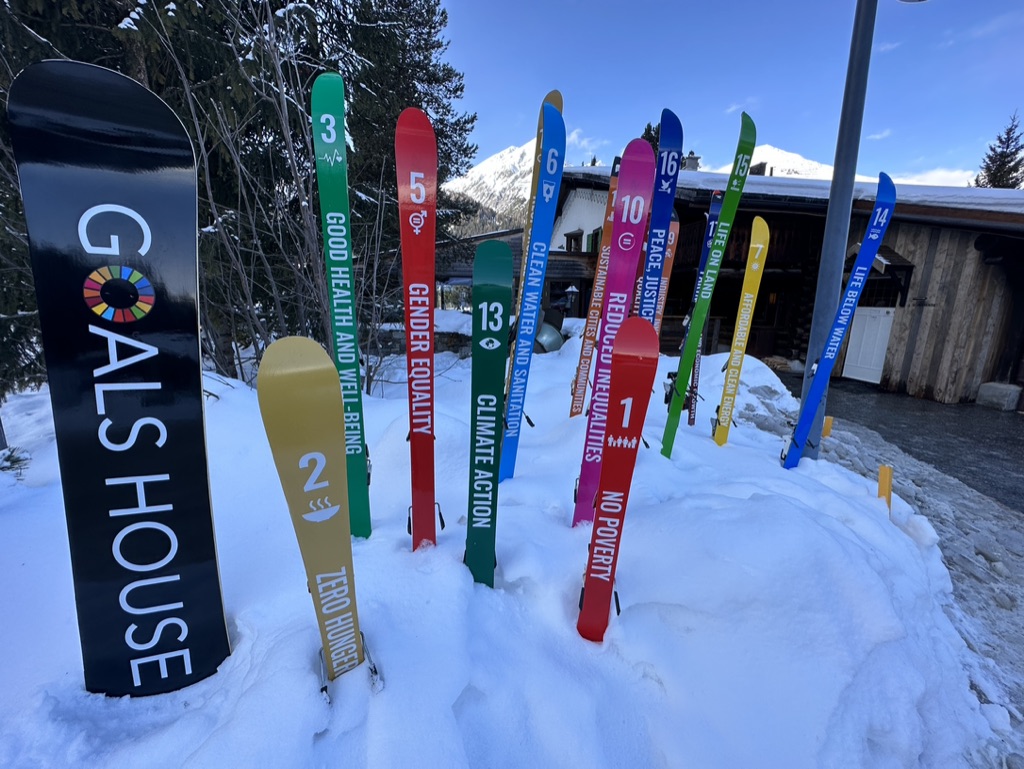
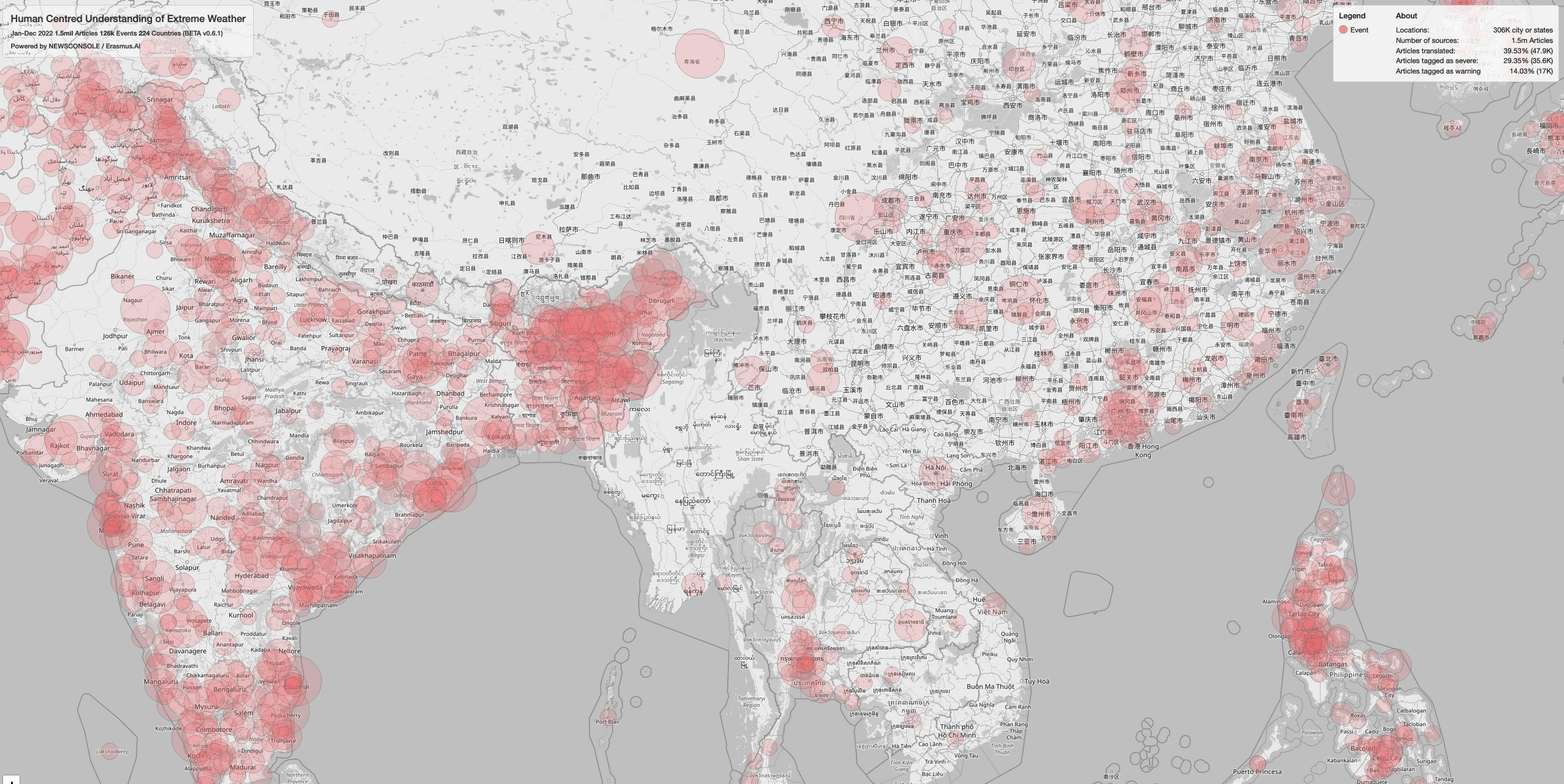
Building on the Club of Rome’s Earth4All work, this C-level discussion at Goals House in Davos 2026 will launch the third iteration of Public Good AI ClimateGPT. We will explore the critical intersection between planetary boundaries and extreme weather, through a human-centered lens – not just what is happening, but what it means for us.
Hosted by:
Daniel Erasmus, Founder, ClimateGPT, and Full Member, Club of Rome
Featuring the perspectives of:
- Jennifer Blake, Partner Morphosis, Former Chief Economist World Economic Forum
- Johan Rockström, Director PIK, Potsdam Institute for Climate Impact Research
- Will Marshall, CEO, Planet Labs– Satellite Imagery and Earth Intelligence
- Sandrine Dixson-Decleve, Chair, Earth4All/Systems Transformation Hub/ Honourary President Club of Rome
ClimateGPT empowers people on the ground by combining vast
decentralised datasets (from satellites to citizen science: emissions, earth observation, country, company, sector, and city data to reveal their implications for human systems. The platfrom maps cascading risks – eg. how a storm in Indonesia can trigger socio-economic and political consequences in rice-consuming countries – helping us understand and act in a world of interconnected vulnerabilities. Model 3 will focus on Planetary Boundaries
Leave a Reply